From procedural physics to complex emotional acting, learn how to master the new generation of AI video tools. This ultimate guide covers everything from Runway Gen-3 prompting to cinematic color grading using neural post-production agents.
The landscape of video production has been fundamentally altered. In 2026, we no longer talk about "clips"; we talk about "directed environments." Tools like Sora 2 and Runway Gen-4 have evolved from simple generators into full-blown virtual production suites.
The Shift to Procedural Physics
Unlike early models that struggled with consistency, today's AI video understands gravity, light refraction, and liquid dynamics at a molecular level. This guide explores how to leverage these "physics-aware" prompts to create scenes that are indistinguishable from high-budget Hollywood cinematography.
Directing AI Actors
The biggest breakthrough this year is emotional keyframing. You can now prompt for specific micro-expressions—a subtle glint of regret in a character's eye or the trembling of a hand. We break down the exact prompting syntax for human-level performance.
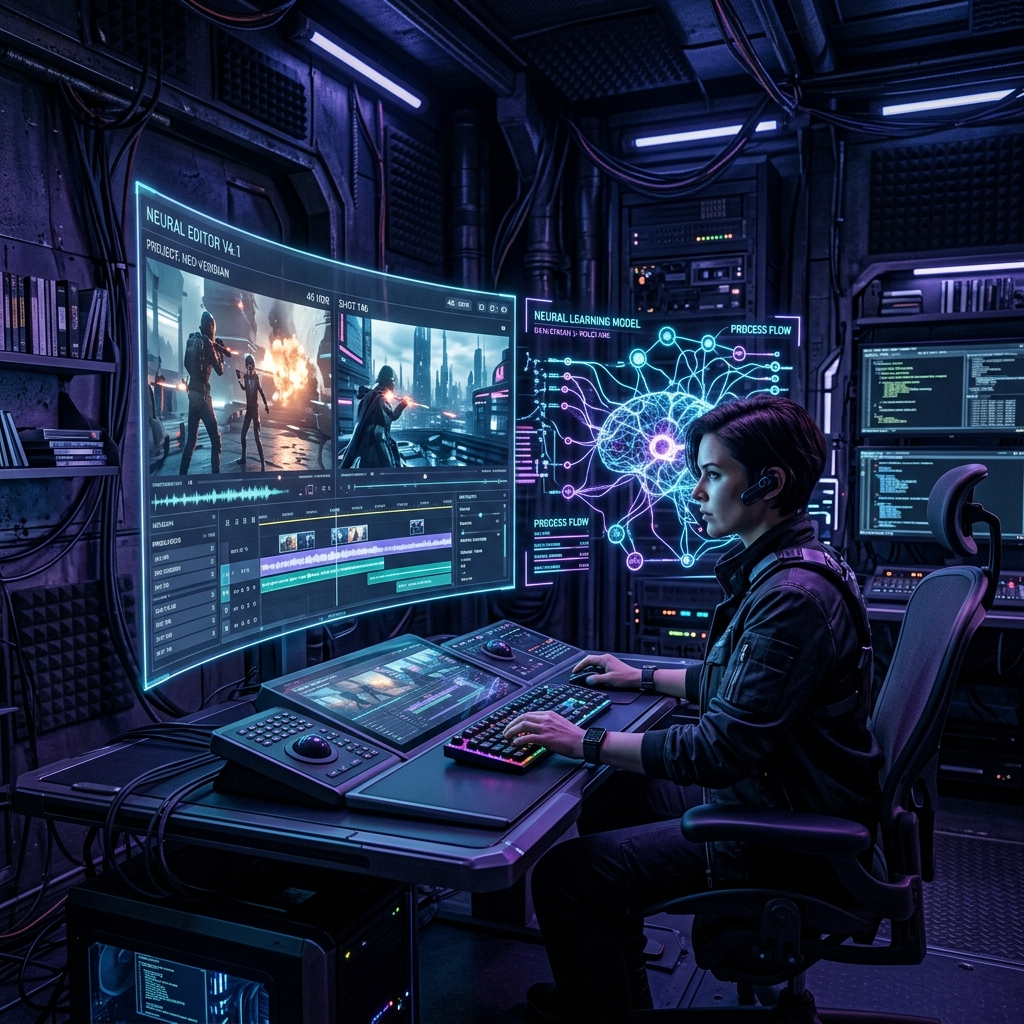
Post-Production in the Latent Space
Editing is no longer about cutting film; it's about re-prompting specific regions of a sequence. Learn how to use "Neural Inpainting" to change a character's outfit or the entire lighting of a scene without re-rendering the whole shot.