Cookie Consent

We use cookies to enhance your browsing experience, serve personalized ads or content, and analyze our traffic. By clicking 'Accept All', you consent to our use of cookies. Privacy Policy

Max Hodak's Science Corp. Gears Up for First Human Brain Sensor Implant: A New Era for Neurological Healing
Back to News
News

Max Hodak's Science Corp. Gears Up for First Human Brain Sensor Implant: A New Era for Neurological Healing

Agent Critiq Editorial
April 15, 2026
8 min read

Science Corp., led by Max Hodak, is set to implant its first brain sensor in a human. This pioneering device targets neurological conditions, offering hope for healing damaged brain and spinal cord cells.

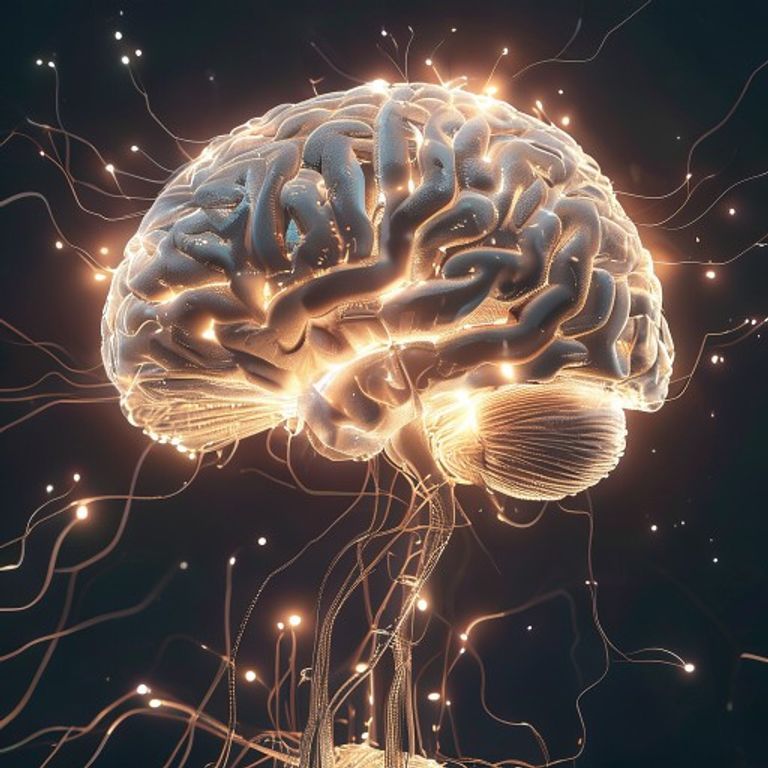
Cover Image ByMidjourney
View Review

Max Hodak's Science Corp. Gears Up for First Human Brain Sensor Implant: A New Era for Neurological Healing

β€œWe are on the precipice of a new frontier, where technology meets biology not just to assist, but to actively heal. Science Corp.'s initial human implant represents a profound step towards reclaiming neurological health.”

The landscape of neurotechnology is buzzing with anticipation. Science Corp., founded by Max Hodak – a visionary who previously co-founded Neuralink – is preparing for a landmark moment: the placement of its first sensor in a human brain. This isn't just another incremental step; it's a bold leap into therapeutic neuro-interventions, potentially revolutionizing how we approach a myriad of devastating neurological conditions. While many focus on direct brain-computer interfaces for control, Science Corp.'s ambition is distinctly different: to foster healing within the very tissues of the central nervous system.

πŸ’‘ The Core Innovation: Beyond Control, Towards Restoration 🧠

Science Corp.'s unique approach pivots from simply reading or controlling brain activity to actively repairing it. This is a critical distinction in the burgeoning field of Brain-Computer Interfaces (BCI). The company’s device is designed not for high-bandwidth data streaming or prosthetic control, but for delivering precise, gentle electrical stimulation directly to damaged areas of the brain or spinal cord. The underlying principle is to leverage the body's intrinsic healing mechanisms, encouraging neuroplasticity and cellular regeneration where it's desperately needed. This innovation represents a profound shift in focus, opening doors to restorative treatments previously thought to be within the realm of science fiction.

🎯 Why it Matters: Rekindling Hope for Millions 🌟

The potential impact of Science Corp.'s technology is immense and deeply human-centric. Millions worldwide suffer from conditions like spinal cord injuries, stroke recovery complications, Parkinson's disease, Alzheimer's disease, and various forms of chronic neuropathic pain. For these individuals, current treatments often manage symptoms rather than address the root cause of cellular damage.

SponsoredCompare AI Tools
Open Matrix
  • Spinal Cord Injuries: Imagine a device that could gently stimulate damaged nerve pathways, promoting reconnection and potentially restoring motor function or sensation.
  • Stroke Rehabilitation: Speeding up recovery and improving outcomes by encouraging neural repair in areas affected by ischemia.
  • Neurodegenerative Conditions: While early, the prospect of slowing down or even reversing cellular degradation through targeted stimulation could be a game-changer.
  • Chronic Pain: Offering non-pharmacological, targeted relief by healing nerve damage.

This technology offers a beacon of hope, promising not just symptom management but a genuine pathway to neurological repair and improved quality of life.

βš™οΈ 'Under the Hood': Precision Engineering for Biological Repair πŸ”¬

Science Corp.'s sensor is a marvel of miniaturization and biocompatibility, designed for long-term integration within the delicate neural environment. The technical specifications and mechanisms are geared towards therapeutic efficacy:

ChatGPT Plus
EXPERT REVIEW

ChatGPT Plus

ChatGPT Plus unlocks advanced GPT models, empowering professionals with superior text generation and analytical prowess.

Read Review

The journey from concept to human implant is rigorously monitored by regulatory bodies like the FDA, emphasizing safety, efficacy, and ethical considerations at every stage.

🏁 Final Verdict: A New Dawn for Neuro-Therapeutics πŸš€

Max Hodak’s Science Corp. is not just building a device; it’s attempting to build a future where severe neurological damage is not a life sentence but a condition amenable to repair. The impending human implant trial marks a monumental moment in medical science and neurotechnology. While challenges in such pioneering fields are inevitable, the potential rewards – a world where individuals can regain lost function, find relief from intractable pain, and recover from devastating injuries – are beyond measure. This endeavor positions Science Corp. at the vanguard of restorative neurology, heralding a new dawn for patients and pushing the boundaries of what technology can achieve in harmony with the human body. The world watches with bated breath, hopeful for the profound positive change this innovation promises.